

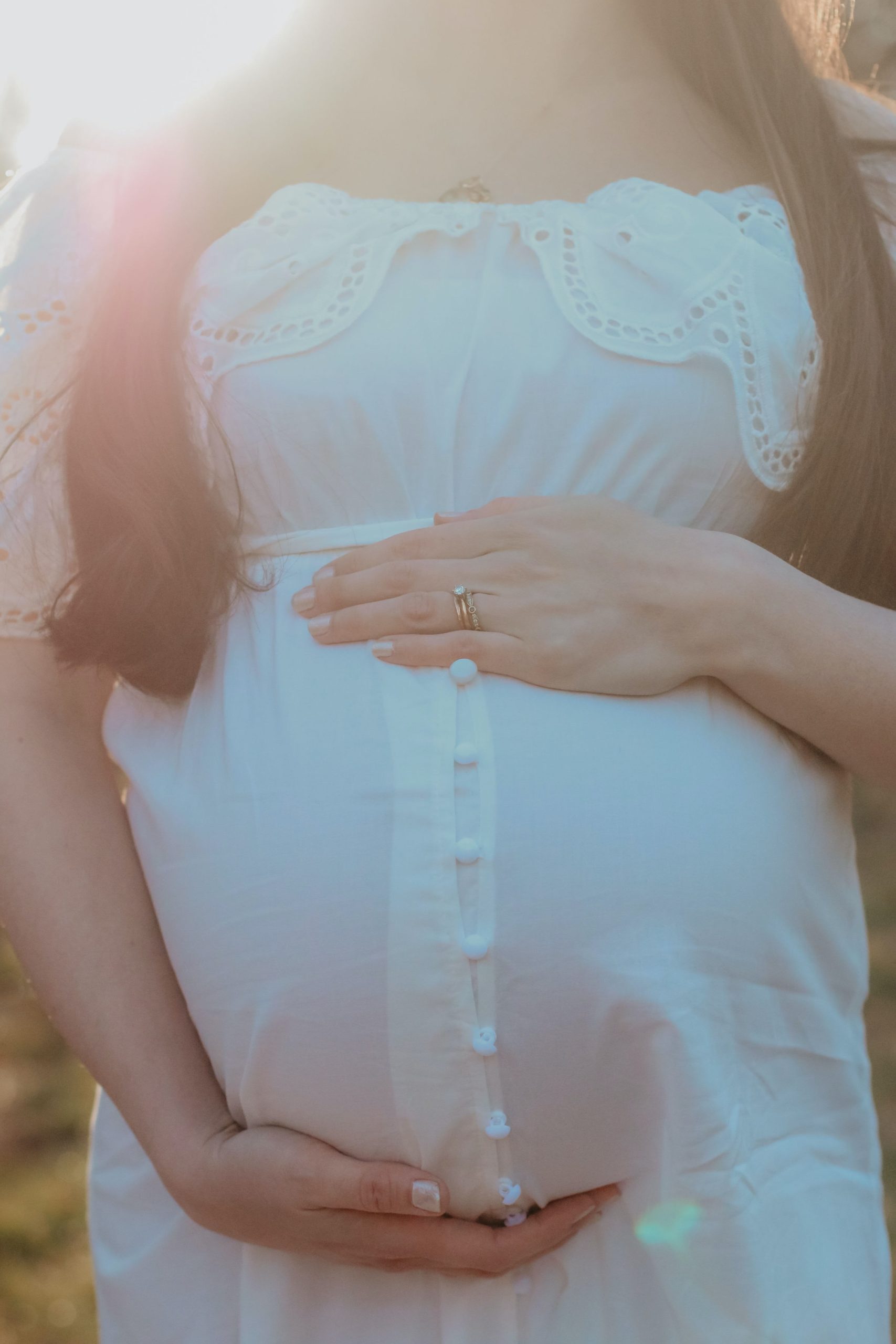
02 Mar Fibroids and Fertility: What Women Need to Know Before Pregnancy
Fibroids can affect fertility depending on their size, number and location within the uterus. While many women with fibroids can conceive naturally, some may require treatment such as myomectomy surgery to improve pregnancy outcomes.
Key Takeaways
- Fibroids do not always affect fertility, but some can interfere with conception
- Location of fibroids plays a key role in reproductive outcomes
- Symptoms such as heavy bleeding and pain may indicate treatment is needed
- Myomectomy may be considered before pregnancy in selected cases
- Early specialist assessment helps guide appropriate management
What Are Fibroids?
Fibroids, also known as uterine fibroids, are non-cancerous growths that develop in or around the uterus. They are common and can vary in size from small nodules to larger masses.
To understand the condition in more detail, see what are uterine fibroids.
Many women with fibroids have no symptoms, while others may experience heavy periods, pelvic pressure and pain.
How Fibroids Can Affect Fertility
Fibroids may affect fertility in several ways depending on their characteristics.
Location of Fibroids
Fibroids located within the uterine cavity or distorting the lining of the uterus are more likely to impact fertility. These may interfere with implantation or increase the risk of miscarriage.
Size and Number
Larger fibroids or multiple fibroids may affect the shape of the uterus and reduce the chances of successful conception.
Impact on the Uterine Environment
Fibroids may alter blood flow within the uterus or disrupt the normal function of the uterine lining.
However, not all fibroids affect fertility. Many women conceive naturally without treatment.
Symptoms That May Indicate Fertility Impact
Certain symptoms may suggest fibroids are affecting reproductive health:
- Heavy menstrual bleeding
- Severe menstrual pain
- Pelvic pressure and pain
- Irregular periods
- Difficulty conceiving
If these symptoms are present, further assessment may be required.
When to Consider Treatment Before Pregnancy
Treatment may be considered before pregnancy when fibroids:
- Distort the uterine cavity
- Cause significant symptoms
- Are associated with fertility difficulties
- Increase the risk of pregnancy complications
Surgical options such as myomectomy remove fibroids while preserving the uterus. Minimally invasive approaches, including robotic techniques, may reduce recovery time.
More information on this approach is available in treating fibroids while preserving the uterus.
Pregnancy with Fibroids
Many women with fibroids have successful pregnancies. However, fibroids may increase the risk of:
- Pain during pregnancy
- Placental complications
- Preterm birth
- Caesarean delivery
The level of risk depends on fibroid size and location.
For a more detailed discussion, see fibroids and pregnancy risks and management.
Fertility After Myomectomy
Myomectomy may improve fertility in selected cases by removing fibroids that interfere with implantation or uterine function.
After surgery, your specialist will advise:
- When it is safe to try for pregnancy
- How the uterus has healed
- Any considerations for delivery
Each case is different, and timing should be individualised.
When to Seek Specialist Advice
Women planning pregnancy should consider specialist assessment if they:
- Have known fibroids
- Experience heavy bleeding or pelvic pressure and pain
- Have difficulty conceiving
- Have had previous pregnancy complications
Early evaluation allows for better planning and more treatment options.
Book a Specialist Consultation
Dr Kent Kuswanto offers personalised care for women with fibroids.
Learn more about his experience on the About Dr Kent Kuswanto page or arrange a consultation via the Contact Us page.