

09 Dec Uterine Fibroids Surgery: How To Choose Between Myomectomy or Hysterectomy for Fibroid Removal?
Uterine fibroids are noncancerous growths that can vary widely in size and symptoms. Many women don’t experience noticeable issues and only discover fibroids during routine exams. Understanding when treatment is needed, and whether a myomectomy or hysterectomy is more suitable, can help guide your decision.
Key Takeaways
- Fibroids are common, benign growths that may cause pressure or heavy bleeding as they enlarge.
- Myomectomy removes fibroids while preserving the uterus, supporting future fertility.
- Hysterectomy removes the uterus entirely and prevents fibroid recurrence.
- Both surgeries are effective but come with specific risks and considerations.
- Your choice depends on symptoms, fibroid size and location, and personal goals.
Understanding Uterine Fibroids
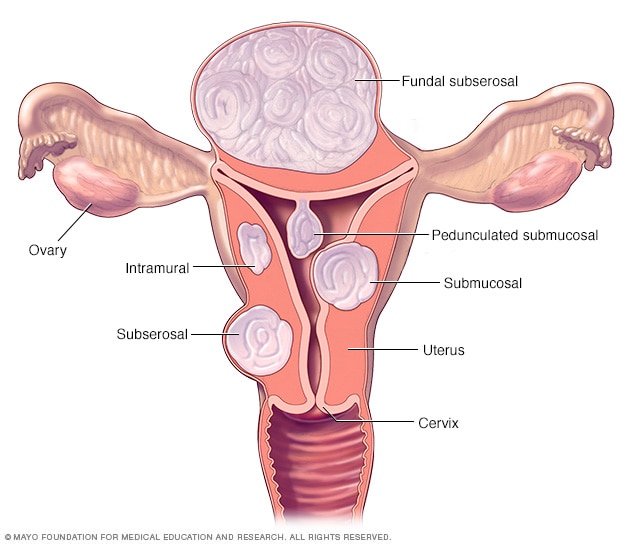
Uterine fibroids (leiomyomas) are benign tumours arising from the muscular layer of the uterus. Many women have no symptoms and may only discover fibroids during a routine exam or ultrasound.
Fibroids can be very small or grow large enough to distort or expand the uterus, sometimes reaching above the umbilicus.
Should I Have a Myomectomy or a Hysterectomy for Fibroid Removal?
Small, asymptomatic fibroids generally require no treatment. Fibroids are almost always benign. Large or symptomatic fibroids can cause bloating, bowel pressure, urinary frequency, or heavy bleeding.
When symptoms occur, early treatment consideration is recommended. Treatment options vary depending on size, number, and type of fibroids and may include non-surgical, radiological, or surgical approaches such as myomectomy or hysterectomy. More detail on uterus-preserving options is found in Treating Fibroids While Preserving the Uterus.
Myomectomy: Uterus-Preserving Surgery
Myomectomy removes fibroids while preserving the uterus. It is often recommended for women wishing to maintain fertility. Because the uterus remains, fibroids may recur in the future. Recovery time depends on the surgical method used.
Hysterectomy: Complete Removal of the Uterus
Hysterectomy removes the uterus and is typically offered to women who have completed childbearing or prefer a definitive solution. This procedure stops menstrual bleeding permanently and eliminates the possibility of fibroid regrowth. In many cases, hysterectomy also carries a lower risk of excessive bleeding compared to myomectomy.
What Are the Surgical Risks of Hysterectomies and Myomectomies?
Most patients recover without complications. However, as with all surgeries, risks exist.
Potential Risks of Hysterectomy
- Bleeding
- Infection (skin wound, vaginal wound, bladder)
- Injury to bladder, ureters, bowel, or blood vessels
- Blood clots
- Hernia at the incision site
Potential Risks of Myomectomy
- Bleeding requiring transfusion (up to 10%)
- Hysterectomy (up to 1%)
- Infection
- Injury to pelvic organs
- Blood clots
- Hernia
- Fluid overload/electrolyte imbalance (for hysteroscopic resections)
Food & Medication Before Your Procedure
Both procedures require general anaesthesia, meaning patients must fast for 4–6 hours prior to surgery. Medication adjustments, vitamins, and supplements should be discussed with your doctor. Additional preparation details are available in the Before and After Surgery section.
Making the Right Choice
Both myomectomy and hysterectomy are effective treatments for fibroids, with the decision tailored to individual health needs, fibroid characteristics, and fertility goals.
To book a consultation or ask further questions, please contact us or call (03) 9115 9338 today!