

01 Jun A New Challenger in Robotic Surgery: Why Competition Matters for Patients and Innovation
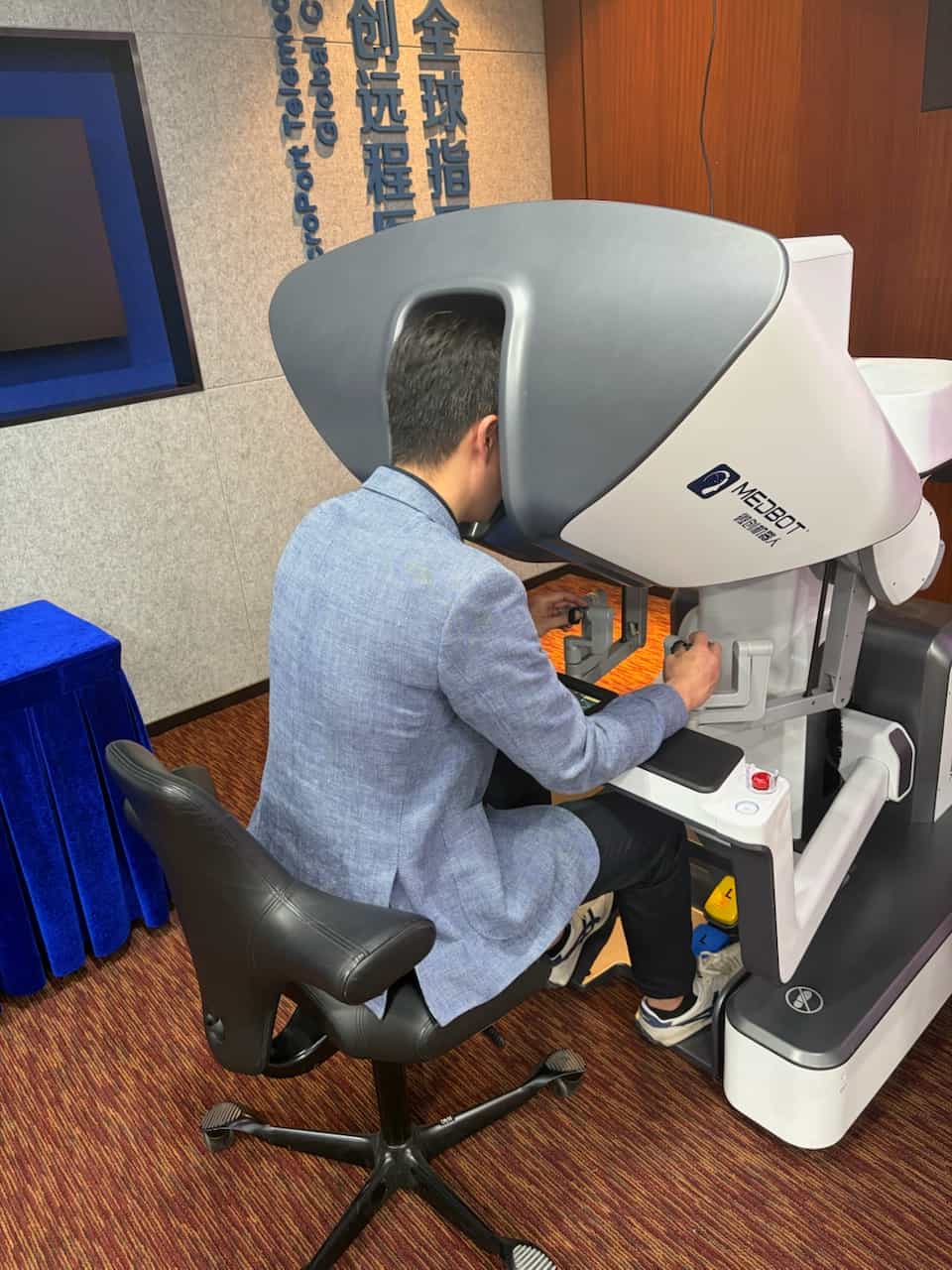
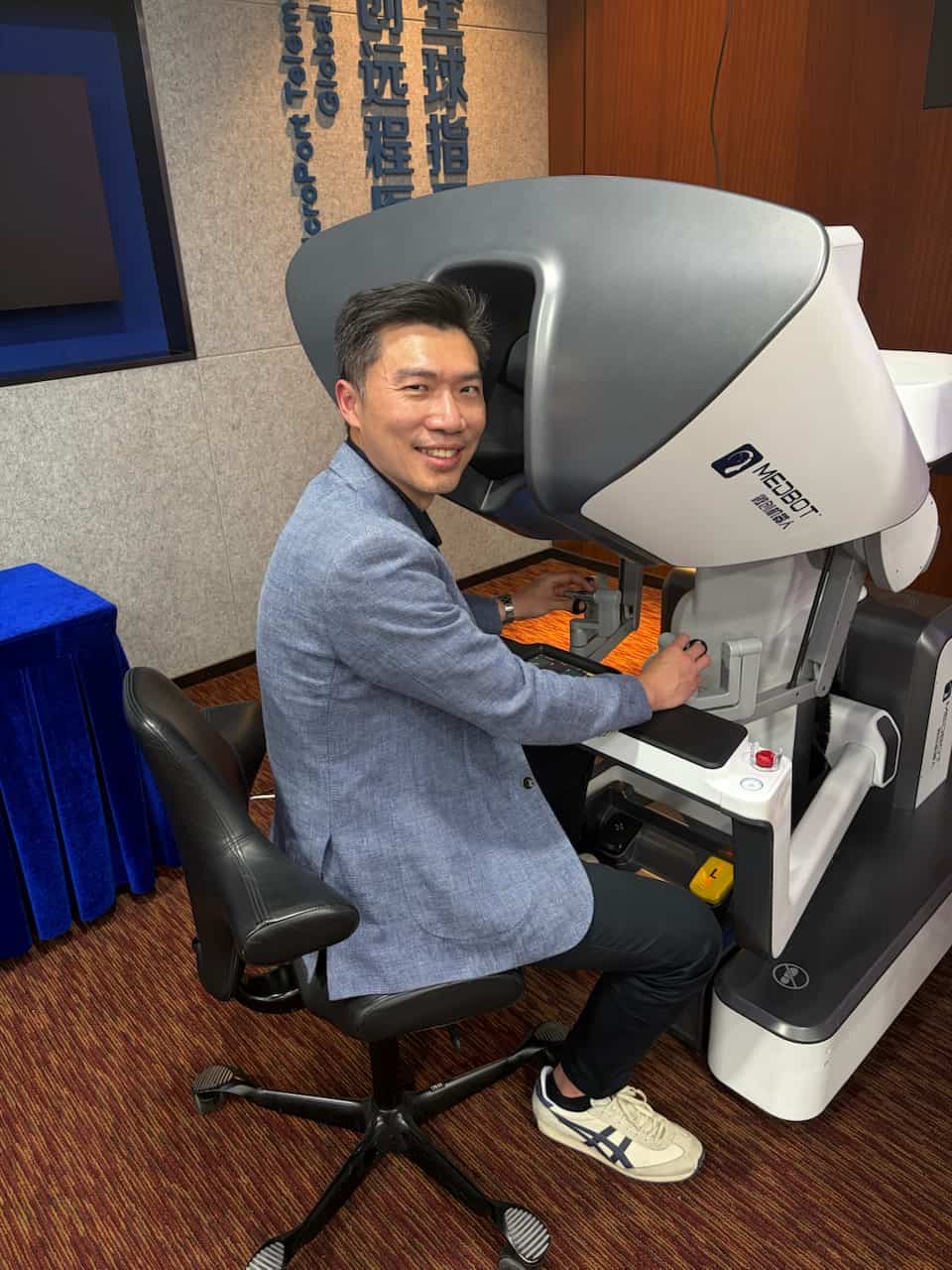
Recently, I had the privilege of being invited to visit MicroPort’s headquarters and laboratory training centre in Shanghai, China, together with a group of expert robotic gynaecologists from Melbourne and Sydney. MicroPort is the parent company of MedBot, a Chinese surgical robotics company that develops multiple robotic platforms, including the system currently used in gynaecology, Toumai.
Similar to the widely used da Vinci Surgical System from the US-based company Intuitive Surgical, Toumai is also designed for use across multiple surgical specialties.
Key takeaways
- A new robotic surgery platform called Toumai has entered the Australian market
- Increased competition may help reduce the cost of robotic surgery over time
- Greater competition may accelerate innovation in areas such as telesurgery and artificial intelligence
- Robotic surgery continues to play an important role in minimally invasive gynaecological surgery
- New technologies must establish long-term clinical support, training, and reliability before widespread adoption
Understanding MicroPort and the Toumai Robotic System
MicroPort is a publicly listed, Shanghai-based global medical device company developing innovative cardiovascular, orthopaedic, robotic, and other high-end medical devices.
Its surgical robotics arm, MicroPort MedBot, focuses on intelligent robotic systems for minimally invasive surgery. Its flagship platform, Toumai, is an advanced surgical robotic system offering both multi-port and single-port surgery, while also leading in telesurgery with remote minimally invasive surgical capabilities.
Since receiving approval for clinical use outside China two years ago, Toumai has rapidly expanded into multiple international markets, including Australia this year. While still a much smaller player than da Vinci, which has dominated the Australian market for more than two decades, MicroPort seems determined to challenge that trajectory.

How Toumai Compares to Existing Robotic Surgery Platforms
First, Toumai offers a robotic platform that is broadly comparable in function to da Vinci.
Although several robotic systems have entered the market in recent years, most surgeons still prefer da Vinci due to familiarity and established workflows. In our recent laboratory “test drive” in Shanghai, Toumai felt intuitive and familiar enough that experienced da Vinci surgeons would not require a significant learning curve to transition between systems.
This kind of continuity is important, as it lowers barriers for adoption and makes cross-platform use more seamless for trained robotic surgeons.
For patients interested in learning more about robotic-assisted procedures, visit our robotic surgery page.
Why Competition Could Improve Access to Robotic Surgery
Second, and perhaps most importantly, MicroPort is positioning Toumai as a more cost-effective alternative to da Vinci.
One of the most persistent barriers to wider adoption of robotic surgery is cost, both the upfront capital investment and ongoing maintenance and consumable expenses. Intuitive has benefited from a long-standing near-monopoly in this space.
The entry of MedBot introduces meaningful competition, which has the potential to drive down costs for hospitals. In turn, this could improve access to robotic surgery, allowing more patients to benefit from minimally invasive approaches that reduce bleeding, infection risk, pain, and recovery time, particularly in complex surgical cases.
You can learn more about the potential benefits of robotic-assisted surgery in our article on the advantages and disadvantages of robotic surgery.
The Future of Robotic Surgery Innovation
Third, increased competition is likely to accelerate innovation across the field.
Areas such as telesurgery and artificial intelligence integration are likely to advance more rapidly as companies compete. Toumai’s lead on remote surgical capability is pushing the industry toward improvements in network stability, latency reduction, and system safety, all of which are key foundations for the future of surgical care.
As robotic surgery continues to evolve, ongoing innovation may further improve how complex gynaecological procedures are performed.
Challenges for New Robotic Surgery Platforms
That said, there are still important challenges.
In Australia, Toumai is a relatively new entrant with no long-term local track record. While MicroPort is a large and established global company, it is still in the process of building trust outside China.
By contrast, da Vinci benefits from decades of clinical use, extensive training pathways, and deeply embedded hospital support systems. For Toumai to gain similar traction, MicroPort will need to provide equally robust clinical support, training infrastructure, and long-term service reliability to surgeons, hospitals, and patients.
Why This Matters for Patients
In summary, it is encouraging to see a credible new player entering the robotic surgery space and challenging the long-standing dominance of a single platform.
While Intuitive Surgical has played a transformative role in pioneering robotic surgery, healthy competition from companies like MicroPort MedBot has the potential to reduce costs, expand access, and accelerate innovation which ultimately benefits the patients we look after.
If you would like to learn more about robotic gynaecological surgery or discuss your treatment options, you can contact Dr Kent Kuswanto for a consultation.