

24 Aug How Adenomyosis Is Diagnosed in Melbourne
Adenomyosis is usually diagnosed by reviewing your symptoms, completing a clinical assessment and examining the uterus with pelvic imaging. A transvaginal ultrasound is commonly the first imaging test, while an MRI may be recommended when more detail is needed. The process also helps distinguish adenomyosis from conditions with similar symptoms, such as fibroids and endometriosis. Learn more about the condition on the adenomyosis treatment page.
Key takeaways
- Adenomyosis diagnosis usually begins with a review of symptoms and medical history.
- A pelvic or transvaginal ultrasound is commonly used to assess the uterus.
- MRI may provide further detail when ultrasound findings are unclear or more complex.
- Blood tests may identify iron deficiency or anaemia caused by heavy bleeding, but they do not diagnose adenomyosis.
- Specialist assessment is important because adenomyosis may resemble fibroids, endometriosis and other causes of pelvic pain or heavy periods.
What symptoms may lead to an adenomyosis assessment?
Adenomyosis may be investigated when symptoms are persistent, difficult to manage or affecting daily activities.
Symptoms that may prompt further assessment include:
- Heavy or prolonged periods
- Painful menstrual cramps
- Ongoing pelvic pain
- Pelvic pressure or discomfort
- Pain during intercourse
- Unusual vaginal bleeding
- Tiredness associated with heavy blood loss
Symptoms alone cannot confirm adenomyosis. Similar symptoms may occur with fibroids, endometriosis, uterine polyps and other gynaecological conditions.
Our article on adenomyosis vs fibroids explains how the symptom patterns may overlap.
What happens during the initial assessment?
The first stage of diagnosis generally involves a detailed discussion about your symptoms and medical history.
Your doctor or gynaecologist may ask about:
- The heaviness and duration of your periods
- The location and timing of pelvic pain
- Whether symptoms interfere with work, exercise or daily activities
- Previous pregnancies or uterine procedures
- Previous treatments and whether they helped
- Any existing ultrasound, MRI or pathology results
A physical or vaginal examination may also be recommended. This may help assess whether the uterus feels enlarged or tender and identify other possible causes of the symptoms. The examination should be explained beforehand and completed with your consent.
Is ultrasound used to diagnose adenomyosis?
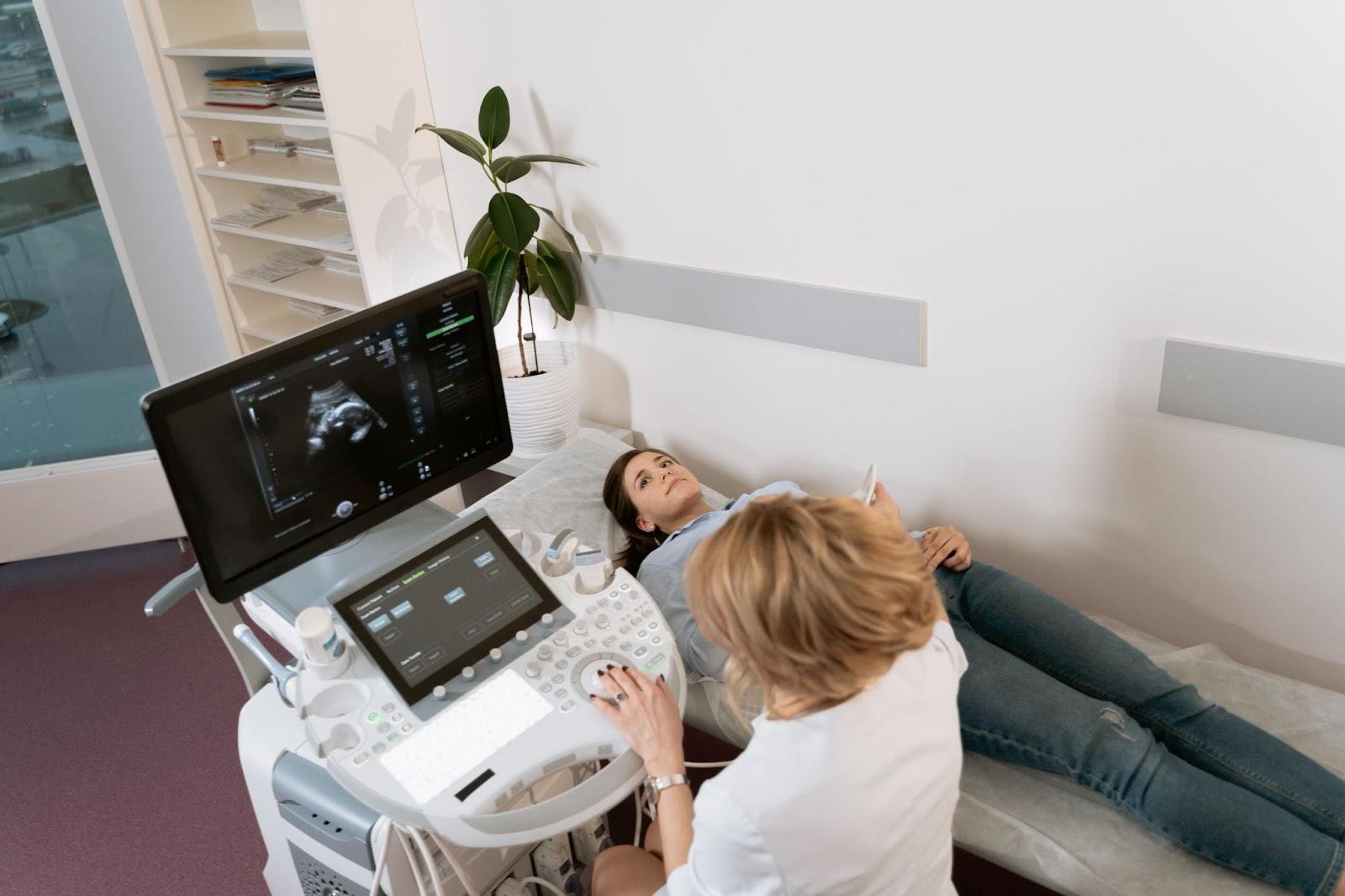
A pelvic ultrasound is commonly the first imaging test used when adenomyosis is suspected.
A transvaginal ultrasound may provide clearer images of the uterus than an external abdominal scan. It involves gently inserting an ultrasound probe into the vagina to examine the uterus and surrounding pelvic structures. The procedure should be explained to you, and your consent is required before it is performed.
The scan may help assess:
- The size and shape of the uterus
- Changes within the uterine muscle
- Areas of thickening or uneven appearance
- The presence of fibroids
- Ovarian cysts or endometriomas
- Other possible causes of pelvic symptoms
Ultrasound findings must be considered alongside your symptoms and clinical history. A single imaging feature does not always provide the complete diagnosis.
When is an MRI recommended?
An MRI may be recommended when ultrasound findings are uncertain, when symptoms are complex or when more detailed imaging would assist treatment planning.
MRI uses magnetic fields and radio waves to create detailed images of soft tissue. It may provide a clearer view of the uterine muscle and help distinguish adenomyosis from fibroids or other structural conditions. MRI does not use X-ray radiation.
Not every patient being assessed for adenomyosis will need an MRI. The decision depends on the ultrasound findings, the severity of symptoms and whether additional information would change the management plan.
Do blood tests diagnose adenomyosis?
There is no routine blood test that confirms adenomyosis.
However, blood tests may be organised when heavy menstrual bleeding is present. These may check:
- Red blood cell levels
- Haemoglobin
- Iron levels
- Evidence of iron deficiency or anaemia
These results help assess the effects of heavy bleeding on your health, rather than diagnosing adenomyosis itself.
Why can adenomyosis be difficult to diagnose?
Adenomyosis can be challenging to identify because its symptoms overlap with several other gynaecological conditions.
For example:
- Adenomyosis and fibroids may both cause heavy periods and an enlarged uterus.
- Adenomyosis and endometriosis may both cause painful periods and chronic pelvic pain.
- Adenomyosis and uterine polyps may both contribute to abnormal bleeding.
- More than one condition may be present at the same time.
This is why diagnosis usually depends on the combined picture formed by symptoms, examination and imaging rather than one symptom or test result alone. RANZCOG notes that adenomyosis may occur independently or together with endometriosis and remains challenging to identify.
Read more about the difference between endometriosis and adenomyosis.
Can adenomyosis be diagnosed without surgery?
In many cases, adenomyosis may be diagnosed and managed using symptoms, clinical assessment and imaging. An operation is not routinely required simply to begin treatment planning.
Your gynaecologist may form a clinical diagnosis after reviewing:
- Your symptoms
- Examination findings
- Ultrasound results
- MRI findings, where required
- Other possible causes of pain or bleeding
The diagnosis may then be used to discuss medical management, monitoring or surgical treatment depending on your individual circumstances. Australian guidance supports the use of evidence-based clinical and imaging assessment in the diagnosis and management of adenomyosis.
What happens after adenomyosis is diagnosed?
A diagnosis does not automatically mean surgery is required.
The next step is to assess:
- How severe the symptoms are
- Whether symptoms are affecting daily life
- Whether previous treatments have helped
- Your stage of life and personal treatment goals
- Whether another condition is also present
Management may involve medication, hormonal treatment, symptom monitoring or surgery. Treatment decisions should be individualised and discussed with your doctor or specialist.
Our article on when adenomyosis may need surgery explains the factors that may influence this decision.
What should you bring to your specialist appointment?
Preparing your information may help make the assessment more efficient.
Where available, bring or send:
- Your GP or specialist referral
- Previous ultrasound or MRI reports
- Blood test results
- A list of current medications
- Details of previous treatments
- Notes about bleeding, pain and symptom patterns
Dr Kent’s typical patient journey explains what to expect from referral and consultation through to treatment planning and follow-up.
Getting clarity about your symptoms
Adenomyosis may cause symptoms that overlap with several other gynaecological conditions. A detailed history, appropriate imaging and specialist assessment may help clarify the diagnosis and guide a treatment plan based on your symptoms and personal circumstances.
To discuss ongoing heavy periods, pelvic pain or a possible adenomyosis diagnosis, contact Dr Kent Kuswanto to arrange a consultation. You may also learn more about his experience in robotic and minimally invasive gynaecological surgery on the About Dr Kent page.